
- Workshop description
- Meet speakers, trainers, and staff
- Preliminary programme
- Regulations for Participation in the Workshop
Workshop description
During the intensive three-day workshop we offer scientists and laboratory professionals a unique opportunity to gain hands-on experience in DNA methylation analysis using pyrosequencing, with a special focus on circulating cell-free DNA (cfDNA) and liquid biopsy applications. Combining expert lectures with practical laboratory sessions, the program guides participants through the complete workflow of methylation analysis — from cfDNA isolation, quality assessment, and bisulfite conversion of cfDNA and genomic DNA to PCR preparation, assay design, electrophoresis, pyrosequencing and interpretation of methylation results.
Participants will learn from experienced researchers and practitioners working in the fields of epigenetics, molecular diagnostics, and liquid biopsy. The workshop also includes lectures comparing newest genome and methylome analysis platforms, specifically Illumina 5‑base sequencing, EPIC microarrays, and Oxford Nanopore Technologies (ONT) sequencing, providing attendees with a broader perspective on state‑of‑the‑art and emerging approaches in epigenetic research. It is also worth emphasising that the course will be enriched by an in‑person demonstration of one of the first ONT equipment in Poland, including a presentation of the results obtained using this technology.
Designed to foster interaction and collaboration, the workshop includes discussion sessions, networking opportunities, including city trip and get-together dinner, direct contact with experts and fellow scientists interested in translational epigenetics and biomarker discovery. Upon completion of the course, participants will receive a certificate recognizing the skills acquired during the program.The participation fee is 100 EUR. Members of isMOCLEP are exempt from the fee and may participate free of charge. The number of participants is limited and the selection is based on the order of applications received.
Meet speakers, trainers, and staff
 |
Prof. Maciej Giefing, PhD |
| Director and professor at the Institute of Human Genetics, Polish Academy of Sciences. Expert in cancer genetics and epigenetics, focusing on lymphomas and head and neck cancers. Leads the Cancer Genetics Department and conducts extensive research on molecular mechanisms underlying carcinogenesis. | |
 |
Prof. Tomasz K. Wojdacz, PhD |
| Professor at Pomeranian Medical University, Szczecin, and head of the Independent Laboratory of Clinical Epigenetics. International expert in translational epigenetics, founder and president of the International Society for Molecular and Clinical Epigenetics (isMOCLEP), connecting scientists, clinicians, and specialists interested in clinical epigenetic biomarkers. | |
 |
Ewa Strauss, Prof. IHG PAN, PhD |
| Professor at IHG PAN, head of Independent Research Group of the Regional Center for Digital Medicine at the IHG PAS, with extensive experience in medical and molecular genetics. Her research spans genetic studies of complex and neonatal diseases, cardiovascular disorders, and interdisciplinary projects linking genomics with clinical applications. | |
 |
Kinga Bednarek, PhD |
| Researcher in the Cancer Genetics Department at IHG PAN, specializing in molecular and genetic studies of cancer. She participates in projects focused on cancer epigenetics and genomics. | |
 |
Katarzyna Jaśkiewicz‑Rajewicz, PhD |
| Researcher in the Cancer Genetics Department, IHG PAN, engaged in research on molecular mechanisms and epigenetic regulation in various diseases. | |
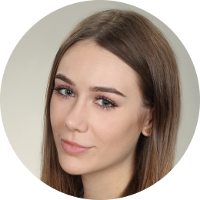 |
Greta Sawicz, MSc |
| PhD student in the Cancer Genetics Department, IHG PAN, involved in research projects on lymphoma epigenetics. | |
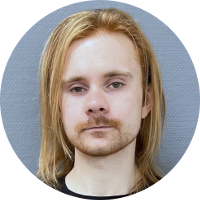 |
Daniel Sikora, MSc, Eng. |
| PhD student in the Cancer Genetics Department, IHG PAN, actively engaged in epigenetics research. |
Preliminary programme
Day 1 (9:00-17:30 CET)
- Welcome and opening remarks – Prof. Maciej Giefing
- Introductory lecture: Principles of pyrosequencing – MSc Greta Sawicz
- Lecture: Liquid biopsy and cfDNA in epigenetic research – MSc, Eng., Daniel Sikora
- Networking session: “Let’s meet” – participant introductions
- Wet lab session 1
- Introduction to cfDNA isolation
- Isolation of circulating cell-free DNA from samples
- Capillary electrophoresis analysis of cfDNA (TapeStation)
- Bisulfite conversion of cfDNA (overnight incubation)
- Evening networking event (city tour and dinner)
Day 2 (9:00-18:00 CET)
- Wet lab session 2
- Preparation of PCR reactions for cfDNA
- PCR amplification
- Lecture: Comparison of genome and methylome analysis methods: 5-base sequencing, ONT, and EPIC microarrays – Prof. Tomasz K. Wojdacz
- Presentation of the MinION and PromethION portable Nanopore sequencing device – Prof. IHG, Ewa Strauss
- Wet lab session 3
- Electrophoretic analysis of PCR products
- cfDNA methylation analysis (PyroMark Q48, Qiagen)
Day 3 (9:00-14:30 CET)
- Dry lab session 1
- Assays designing for bisulfite DNA/cfDNA pyrosequencing
- Q&A
- Discussion of results
- Workshop wrap-up
- Certificates of participation
In-person registration includes:
- Admission to the practical course
- Meals, coffee breaks
- City tour with dinner
This event is co-financed by the Polish Academy of Sciences under the „Otwarta Nauka” Programme.